

The AI revolution isn’t coming: it’s here. But while your competitors rush to deploy AI tools, smart executives know that governance isn’t a bottleneck to innovation. It’s the foundation that makes sustainable AI adoption possible.
The stakes couldn’t be higher. Organizations without proper AI governance face regulatory fines, IP theft, algorithmic bias lawsuits, and security breaches that can destroy decades of trust overnight. Meanwhile, companies with robust governance frameworks move faster, take calculated risks, and build competitive moats that competitors can’t replicate.
Here’s what every C-level executive needs to know about building AI governance that drives results, not red tape.
Traditional IT governance won’t cut it anymore. AI systems learn, adapt, and make decisions that directly impact customers, employees, and business outcomes. Unlike conventional software, AI can amplify human biases, generate intellectual property complications, and create new attack vectors that traditional security measures miss.
The regulatory landscape is evolving rapidly. The EU AI Act, proposed U.S. federal AI regulations, and industry-specific requirements mean that governance isn’t optional: it’s becoming legally mandated. Executive leaders who wait for “clearer regulations” will find themselves playing catch-up while competitors establish market leadership.

Smart compliance goes beyond checking boxes. It creates frameworks that accelerate responsible AI deployment while meeting regulatory requirements.
Key compliance considerations:
The most successful executives treat compliance as a competitive advantage. While competitors struggle with regulatory uncertainty, well-governed organizations can confidently enter new markets and pursue partnerships that others can’t.
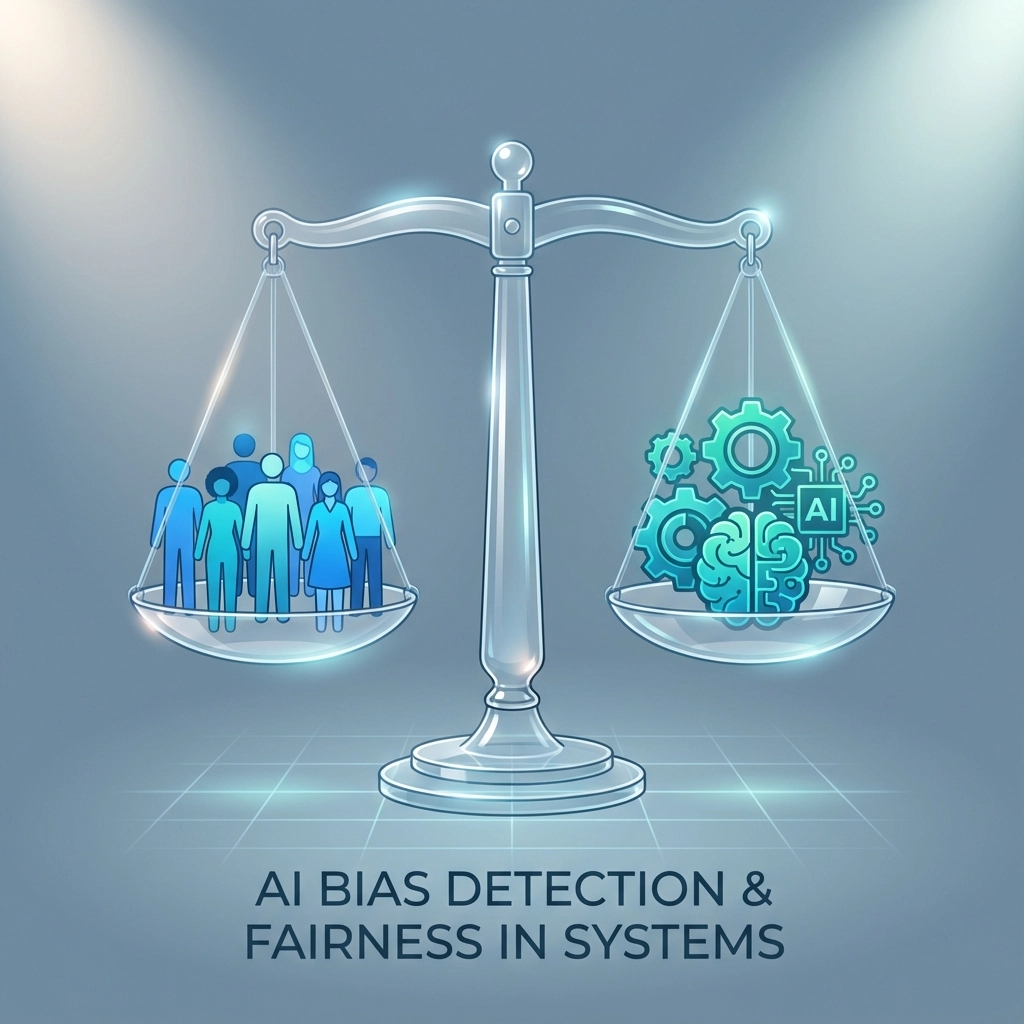
Algorithmic bias isn’t just an ethics issue: it’s a business risk that can destroy customer relationships, create legal liability, and undermine decision-making quality.
Executive-level bias management requires:
Remember: bias detection isn’t a one-time project. As your business grows and markets change, your AI systems need continuous monitoring to maintain fairness and accuracy.
AI creates complex IP challenges that most legal teams aren’t prepared to handle. Executive leaders need clear frameworks for protecting proprietary information while leveraging AI capabilities.
Critical IP considerations:
The companies that get IP governance right will build sustainable competitive advantages. Those that don’t will find their innovations replicated by competitors who reverse-engineer their approaches.
AI systems create new attack vectors that traditional cybersecurity doesn’t address. Model poisoning, adversarial attacks, and data extraction techniques require specialized security approaches.
Executive security priorities:
Not all AI use cases carry equal risk. Customer service chatbots require different governance than financial modeling algorithms. Start by categorizing your AI initiatives:
High-risk applications: Financial decisions, hiring, healthcare diagnostics, legal advice
Medium-risk applications: Marketing optimization, supply chain planning, customer segmentation
Low-risk applications: Internal document summarization, meeting transcription, basic automation
Focus your governance efforts where they’ll have the biggest impact. High-risk applications need comprehensive oversight; low-risk use cases can operate with lighter governance structures.

AI governance fails when nobody owns it. Successful organizations assign clear responsibilities:
Embed governance into your AI development process, not as an afterthought:
The most successful executives don’t view governance as a constraint: they use it to move faster than competitors. Here’s how:
Speed through structure: Clear governance frameworks eliminate decision-making delays and reduce project restarts
Risk-adjusted innovation: Comprehensive risk assessment enables bold moves in low-risk areas while maintaining caution where it matters
Stakeholder confidence: Robust governance builds trust with investors, customers, and partners who increasingly demand responsible AI practices
Regulatory readiness: Proactive governance prepares organizations for emerging regulations before they become mandatory
AI governance isn’t a project you complete: it’s an ongoing capability that evolves with your business. Start with these immediate actions:
The question isn’t whether your organization will face AI governance challenges. The question is whether you’ll be prepared when they arise.
Smart executives know that the companies dominating their industries five years from now will be those that master responsible AI deployment today. The time for governance planning is now: before your competitors gain an insurmountable advantage.
Ready to build AI governance that drives competitive advantage? Contact our team to discuss your specific challenges and opportunities.